Skip to content


Table of Contents
Most people notice fine lines the same way, gradually, and usually before they can pinpoint exactly when they started. A crease near the eyes that used to disappear after a smile now lingers a little longer.
That gradual shift has a real, biological explanation behind it, not just the passing of time. At Rae Aesthetics and Wellness, fine Lines and wrinkles are exactly the kind of change patients come in wondering about.
What actually causes fine lines and wrinkles to form on the skin?
Fine lines and wrinkles develop from a combination of repetitive muscle movement, sun exposure, and a natural slowdown in collagen production. Each of these factors affects the skin differently, which is why understanding the cause behind your specific lines matters more than assuming every wrinkle has the same origin.
What Actually Happens to Skin as It Ages
A few key changes drive this process:
- Collagen and elastin production naturally decline over time, reducing the structural support skin relies on to stay firm
- Skin cell turnover slows with age, which affects both texture and how quickly skin repairs itself
- These changes happen gradually, which is part of why fine lines often appear subtly before becoming more noticeable
Someone might not connect a slightly rougher texture or a line that lingers a bit longer to this underlying process, since it develops quietly in the background long before it becomes visible in the mirror.
Why Repetitive Movement Creates Fine Lines
Repeated facial expressions, like smiling, squinting, or raising the eyebrows, create creases that initially only show up during movement itself. Over time, this repeated folding can cause lines to become visible even when the face is completely at rest, which is when a line shifts from occasional to something more established.
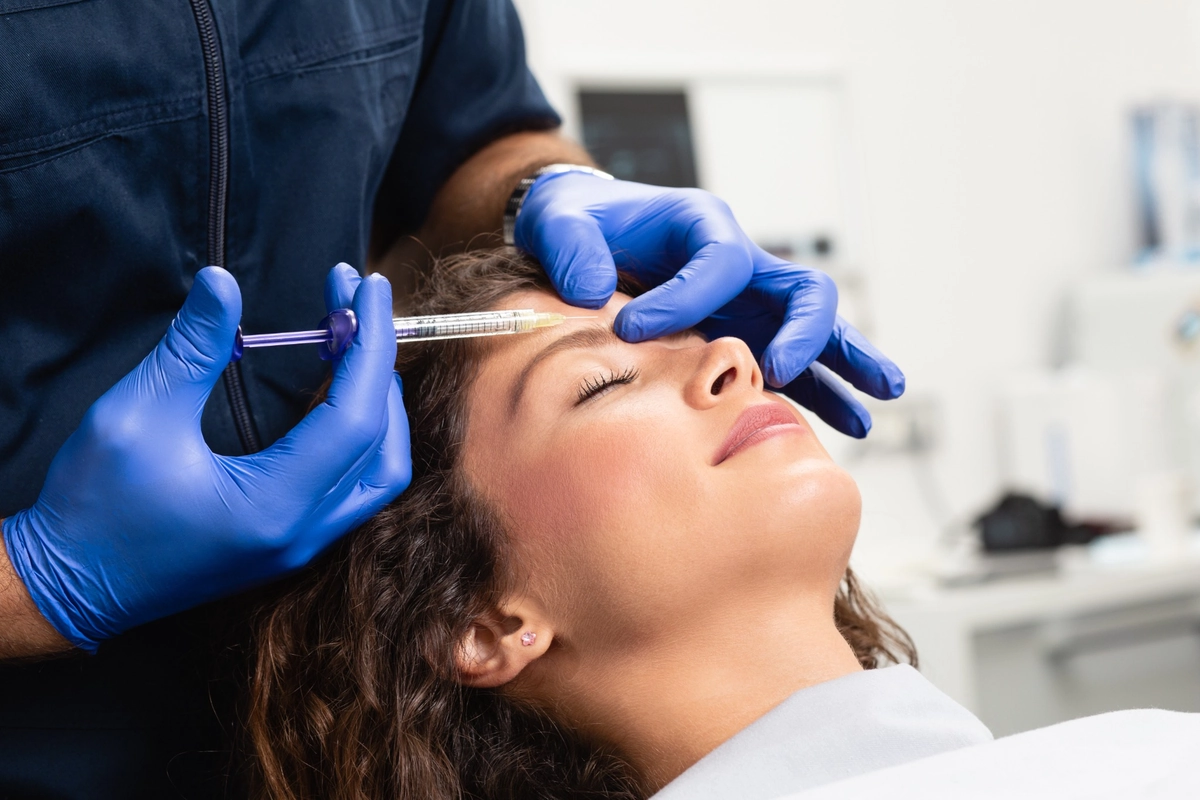
These are often called dynamic lines, since they are directly tied to muscle activity rather than skin structure alone. Forehead lines and the creases between the brows are common examples, and they tend to develop earlier in people with more expressive facial movement, regardless of age.
How Sun Exposure Accelerates Wrinkle Formation
UV exposure breaks down collagen and elastin fibers considerably faster than natural aging alone would. This is part of why treatment for premature skin aging often becomes a relevant conversation for people who spent significant time in the sun without consistent protection, even if they are otherwise younger than the wrinkles suggest.
Sun damage often shows up as deeper, more static wrinkles combined with texture and tone changes, rather than the movement-driven creases described above. This helps explain why two people the same age can show noticeably different signs of aging, since sun exposure history varies so widely from person to person.
Why Collagen Loss Changes How Skin Responds to Aging
As collagen production slows, skin loses some of its ability to bounce back after movement or stretching. This reduced elasticity is part of why lines that once faded quickly can eventually become permanent, since the skin simply has less structural support to return to its original shape.
Managing collagen loss becomes a more relevant concern as this process continues, since it affects nearly every visible sign of skin aging, not just wrinkles specifically. Genetics also play a role in how quickly this decline happens, which is part of why some people notice these changes earlier or more dramatically than others.
How Fine Lines Differ From Sagging Skin
Fine lines and wrinkles are primarily tied to repetitive movement and surface level collagen breakdown, concentrated in specific areas where expression creates repeated folding. This is why fine lines treatment Jacksonville patients often seek out tends to focus on muscle activity and surface texture rather than broader structural support. Sagging skin involves a broader loss of structural support across larger areas of the face, often influenced by gravity, weight changes, and a more advanced stage of collagen depletion.
Understanding which pattern actually applies to your skin helps clarify which treatment path makes more sense:
- Fine lines tend to concentrate around the forehead, eyes, and mouth, tied to repeated expression
- Sagging skin tends to affect broader areas like the jawline and cheeks, tied to structural loss, which is often where a skin laxity treatment approach becomes more relevant
- Addressing uneven skin texture is worth considering alongside either concern, since texture changes frequently accompany both
What These Causes Mean for Treatment Options
Movement driven lines often respond well to treatments that address muscle activity directly, since reducing the repeated folding motion can slow how quickly a line progresses. Lines combined with volume loss or more static wrinkles may respond better to treatments that restore structure beneath the skin instead.
Texture related concerns, including rougher skin or reducing facial aging signs tied to sun damage, often benefit from treatments at Rae Aesthetics and Wellness, that stimulate the skin’s own collagen production rather than simply targeting the surface. Improving skin elasticity through this kind of approach tends to produce more gradual, natural looking results than expecting a single treatment to reverse every sign of aging at once.
For patients researching skin aging treatment Jacksonville options, understanding which of these categories applies to their own skin is what makes a consultation more productive from the start.
FAQs
Can fine lines be prevented before they start?
Some prevention is possible through sun protection and supporting healthy collagen production early, though genetics and natural aging will still play a role over time.
Is it possible to reverse wrinkles once they have formed?
Certain treatments can improve the appearance of existing wrinkles, though results vary depending on the type and depth of the line.
Does everyone’s skin age at the same rate?
No, skin aging speed depends on genetics, sun exposure history, and lifestyle factors, which is why understanding age-related skin concerns on an individual basis matters more than comparing your skin to someone else’s timeline.
At what age do fine lines typically start to appear?
This varies widely by individual, though many people begin noticing early fine lines in their late twenties to thirties, depending on genetics, sun exposure, and facial movement patterns.
Ready to Understand What Your Skin Actually Needs
Fine lines and wrinkles rarely come from just one cause, which is exactly why understanding what is actually happening beneath the surface makes such a difference. Whether your main concern involves facial aging in Jacksonville, FL tied to sun exposure, expression lines that have started to linger, or simply wanting to understand the process a little better, the right next step starts with figuring out which pattern applies to you.
Contact us at Rae Aesthetics and Wellness to talk through what you are noticing in your own skin. Ready to explore your options? Schedule a consultation with our team.